10 WhatsApp Bulk Message Sender Tools for Customer Engagement
Your WhatsApp broadcasts are hitting spam folders, getting blocked, or dying in unread chats because you picked the wrong sending tool. That mistake costs you replies, orders, and customer trust on every campaign. This guide breaks down the ten bulk senders that actually work for engagement, starting with the concrete features that separate compliant platforms from risky workarounds.
By the end, you will know exactly which criteria matter for deliverability, personalization, and team workflows, and you will have a clear #1 pick in Com.bot, the AI-powered platform built for unified customer conversations. The remaining nine tools are compared honestly, including their limits, so you can decide with confidence.
What to Look For in WhatsApp Bulk Message Sender Tools
Choosing the right WhatsApp bulk message sender isn't just about sending, it's about delivering the right message to the right person at the right time, without getting banned. The best tools balance automation with strict compliance, so your customer engagement efforts actually build trust instead of burning it.
Start with compliance and spam prevention. WhatsApp enforces strict rules around opt-in consent, and tools that ignore this put your number at risk. Look for platforms that require contact verification, respect message limits, and support the official WhatsApp Business API rather than risky workarounds.
Next, evaluate automation and personalization features. Drip campaigns let you nurture leads over time, while A/B testing helps you refine subject lines and content. The more you can tailor each broadcast message to individual behavior, the better your conversion rate will be.
Integration capabilities matter just as much. A tool that connects with your CRM keeps contact lists fresh and your sales funnel moving. Without CRM integration, you risk sending messages to stale numbers and missing the context your support team needs for two-way communication.
Analytics and reporting are non-negotiable. You need delivery reports, click-through rate, and conversion rate data to know what is actually working. Read receipts and message status tracking also reveal when your audience is most responsive, which improves future message scheduling.
Scalability and pricing should match your growth plans. Some tools charge per contact, others per broadcast, and API rate limits can cap how fast you scale. Review the pricing structure against your expected message volume to avoid surprise costs later.
Ease of use is the final gatekeeper. A steep learning curve wastes time, so look for intuitive segmentation, simple contact list management, and drag-and-drop scheduling. The tool should feel effortless, even when you are managing hundreds of broadcast messages across multiple campaigns.
Finally, check support for rich media and interactive elements. Media attachments like images and videos boost engagement, while interactive buttons and quick replies make it easy for customers to respond. These features turn one-way blasts into genuine conversations, which is the whole point of WhatsApp marketing in the first place.
1. Com.bot - Best Overall
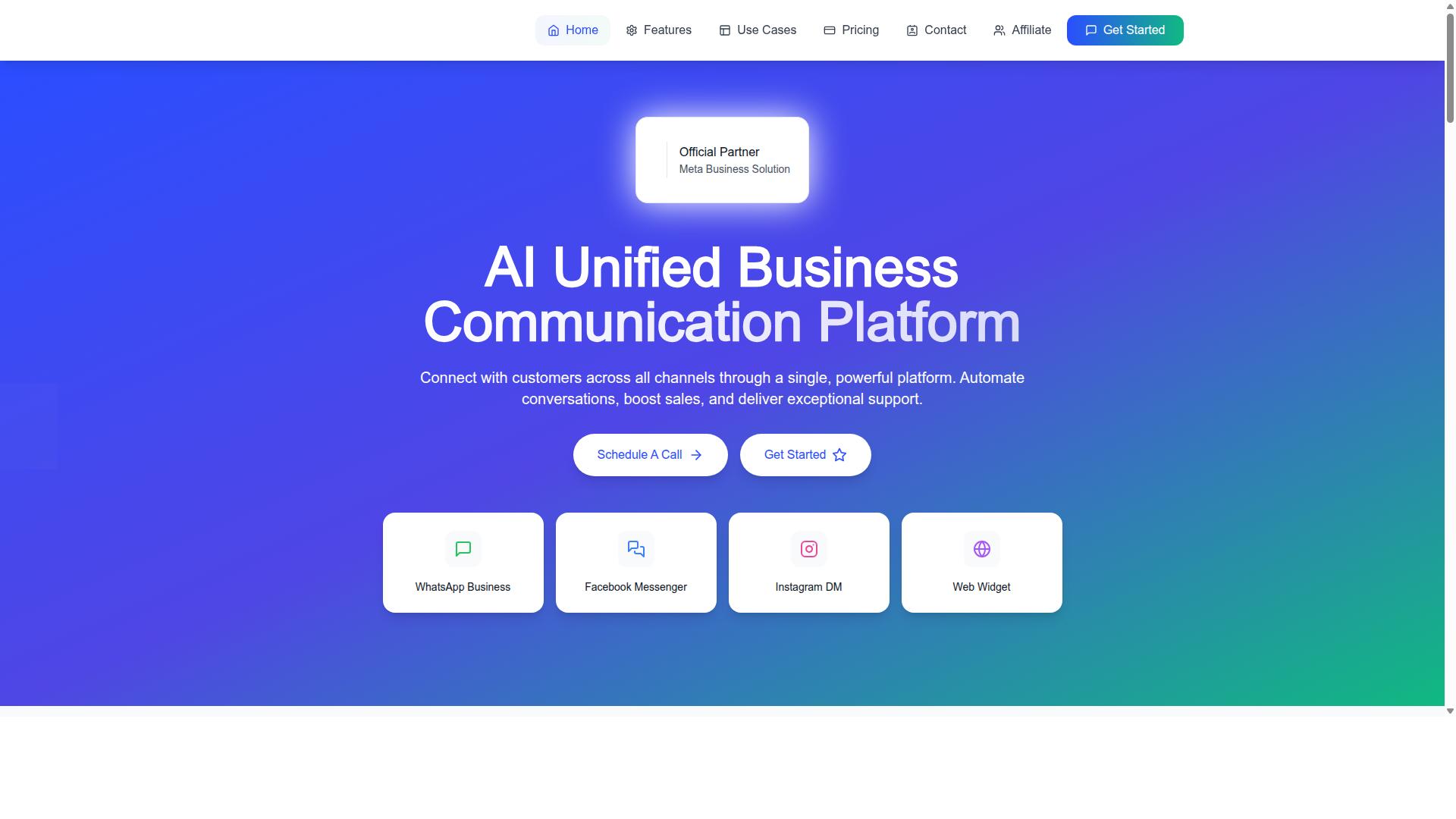
Com.bot is the best overall WhatsApp bulk message sender because it combines a unified inbox, a visual bot builder, and official Meta partnership, all in one platform. It is an official Meta Business Partner, which means it operates directly within WhatsApp Business API guidelines and keeps your account safe from spam flags.
The platform brings WhatsApp, Facebook, and Instagram into a single unified team inbox. Your support agents can handle conversations across all three channels without switching tabs, which cuts response time and keeps context intact.
Com.bot also includes a visual bot builder with a drag-and-drop interface. You can design smart chatbots that qualify leads, answer FAQs, and collect payments without writing a single line of code. Native payments let you process WhatsApp transactions directly inside the conversation flow.
For customer engagement, the automation builder connects to 1,000+ integrations, including your CRM and marketing tools. This makes it easy to sync contact lists, trigger drip campaigns, and personalize broadcast messages based on where each lead sits in your sales funnel.
Com.bot is trusted by 23,000+ active customers for bulk messaging, order updates, notifications, and customer support. If you want one tool that handles broadcasts, two-way communication, and payment collection without compliance headaches, this is the strongest pick on the market.
2. Brevo
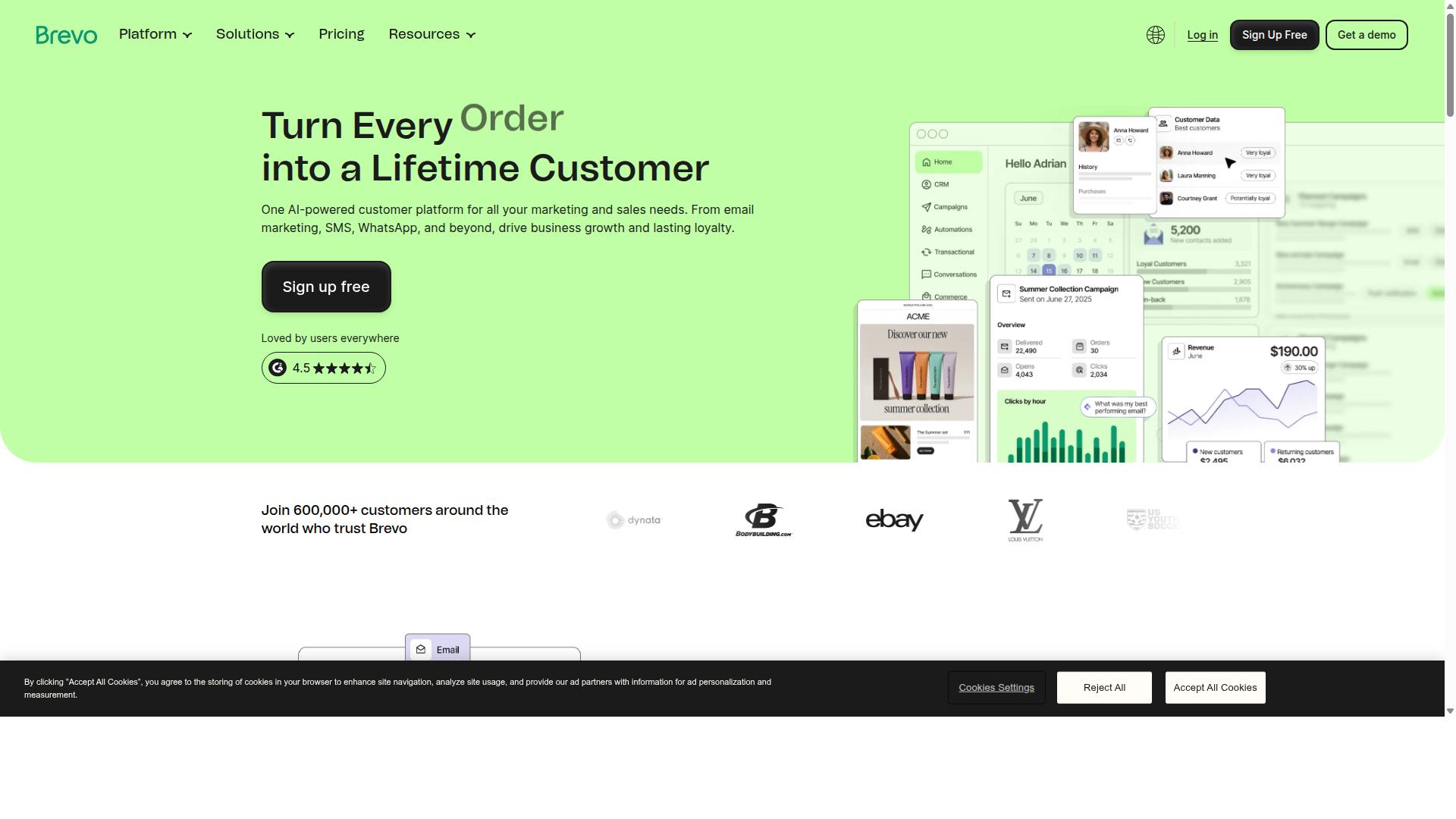
Brevo (formerly Sendinblue) offers a solid WhatsApp integration that works well for small to mid-sized businesses looking for an all-in-one marketing platform. As an official Meta Business Partner and WhatsApp Business Solution Provider, Brevo gives you access to the WhatsApp API directly within its own platform.
This means you can create and send WhatsApp campaigns without writing a line of code. The platform handles contact list management, template creation, and message delivery all from one dashboard.
Brevo's biggest strength is its CRM integration and marketing automation. You can add WhatsApp messages to multichannel automation flows, which lets you build drip campaigns that reach customers across email, SMS, and WhatsApp in a single journey.
Segmentation is straightforward here. You can sort contacts based on their behavior, preferences, or past interactions, then send targeted broadcast messages to the right audience. This helps improve click-through rates and conversion rates because recipients get content that actually matters to them.
The interface is clean and approachable. Even team members who are new to WhatsApp marketing can learn the basics quickly, which lowers the barrier to entry for businesses that want to expand into mobile marketing.
Pricing is another draw for budget-conscious teams. Brevo lets you pay for messages only, and a free plan is available for those who want to test the waters before committing. This usage-based model keeps costs predictable and scalable as your contact lists grow.
That said, Brevo does have limitations when it comes to advanced WhatsApp-specific features. It handles the essentials well, such as multimedia attachments, quick reply buttons, and embedded signup forms. But teams looking for deep two-way communication tools or highly specialized WhatsApp analytics may find the platform less flexible than dedicated WhatsApp solutions.
Message templates are managed within Brevo, and you can include rich media and interactive buttons to boost engagement. The platform also supports message scheduling and delivery reports, so you can track message status and read receipts without leaving the system.
For businesses that already use Brevo for email marketing, adding WhatsApp is a natural next step. The learning curve is minimal, and the unified approach to customer engagement keeps your messaging consistent across channels.
Just remember that WhatsApp Business API usage requires opt-in consent from your contacts. Brevo helps you manage contact lists, but compliance with GDPR and privacy policy requirements remains your responsibility as the sender.
Brevo is a dependable choice for teams that want an affordable, user-friendly way to run WhatsApp campaigns. It may not offer every niche feature a dedicated WhatsApp tool provides, but its combination of automation, segmentation, and CRM integration makes it a practical option for everyday customer engagement.
3. Wati
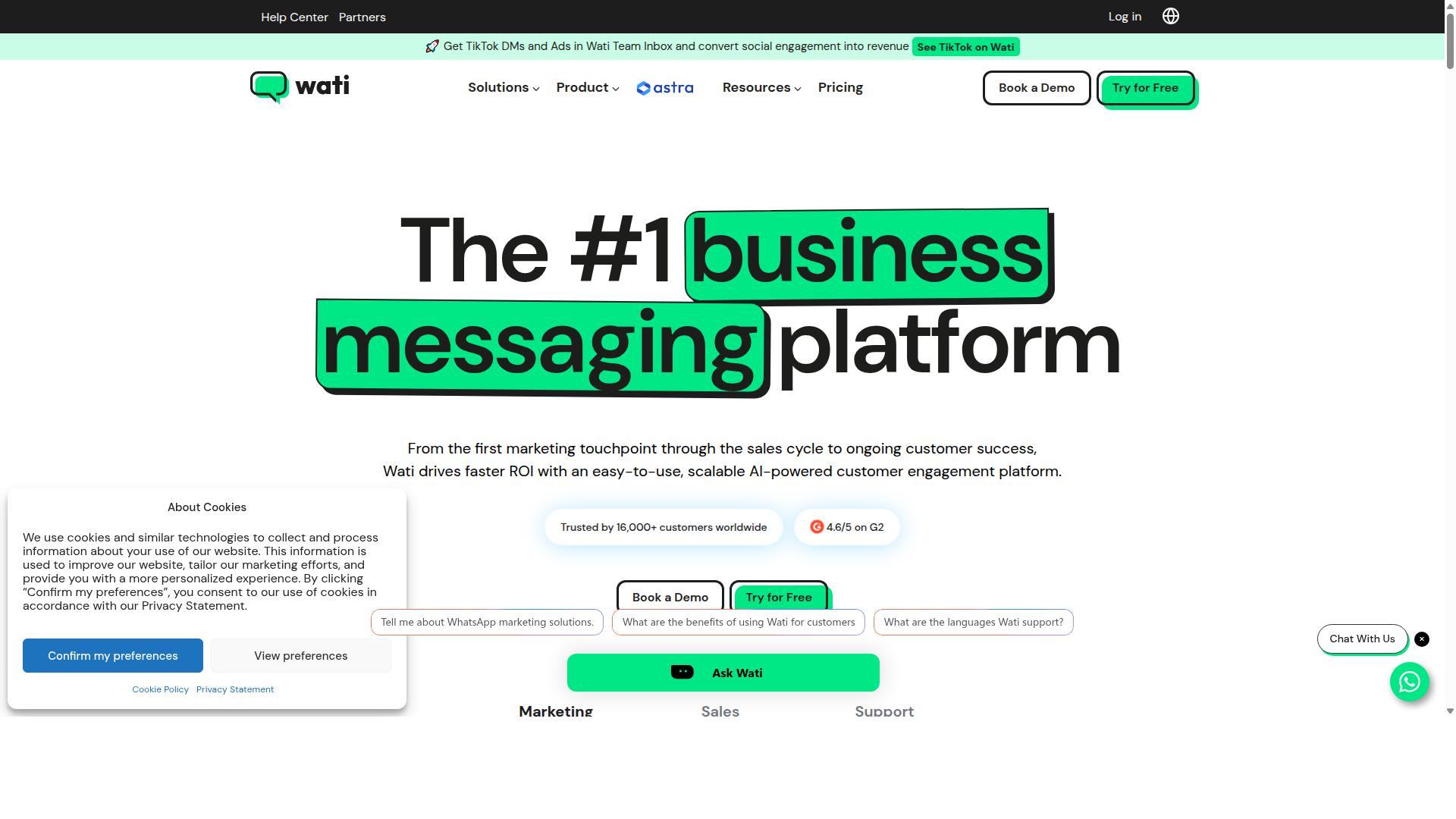
Wati is a dedicated WhatsApp Business API provider that simplifies bulk messaging with its intuitive dashboard and template management. It positions itself as an all-in-one platform for marketing, sales, and customer support through WhatsApp.
The platform excels at broadcast messages to large contact lists, letting teams schedule campaigns and personalize content using pre-approved templates. This makes it a practical choice for businesses that run regular promotions or product announcements without building complex workflows.
Wati also includes automation rules that trigger responses based on customer actions, plus a shared team inbox for handling conversations collaboratively. Small teams often find the interface approachable, since the learning curve is noticeably lighter than many enterprise-grade alternatives.
One notable strength is the ability to funnel leads from Facebook and Instagram directly into WhatsApp conversations. This bridges social media engagement with one-on-one messaging, which can improve response times and lead nurturing efforts.
However, Wati has some gaps worth noting. It offers limited multi-channel support, meaning teams that need email, SMS, or other messaging apps in one place may need additional tools. The pro plan also relies on email-only support, which could slow down urgent issue resolution.
Pricing starts around $49 to $69 per month, depending on the source and plan structure. For small businesses focused primarily on WhatsApp marketing and customer engagement, Wati delivers solid value without overwhelming complexity.
4. Twilio
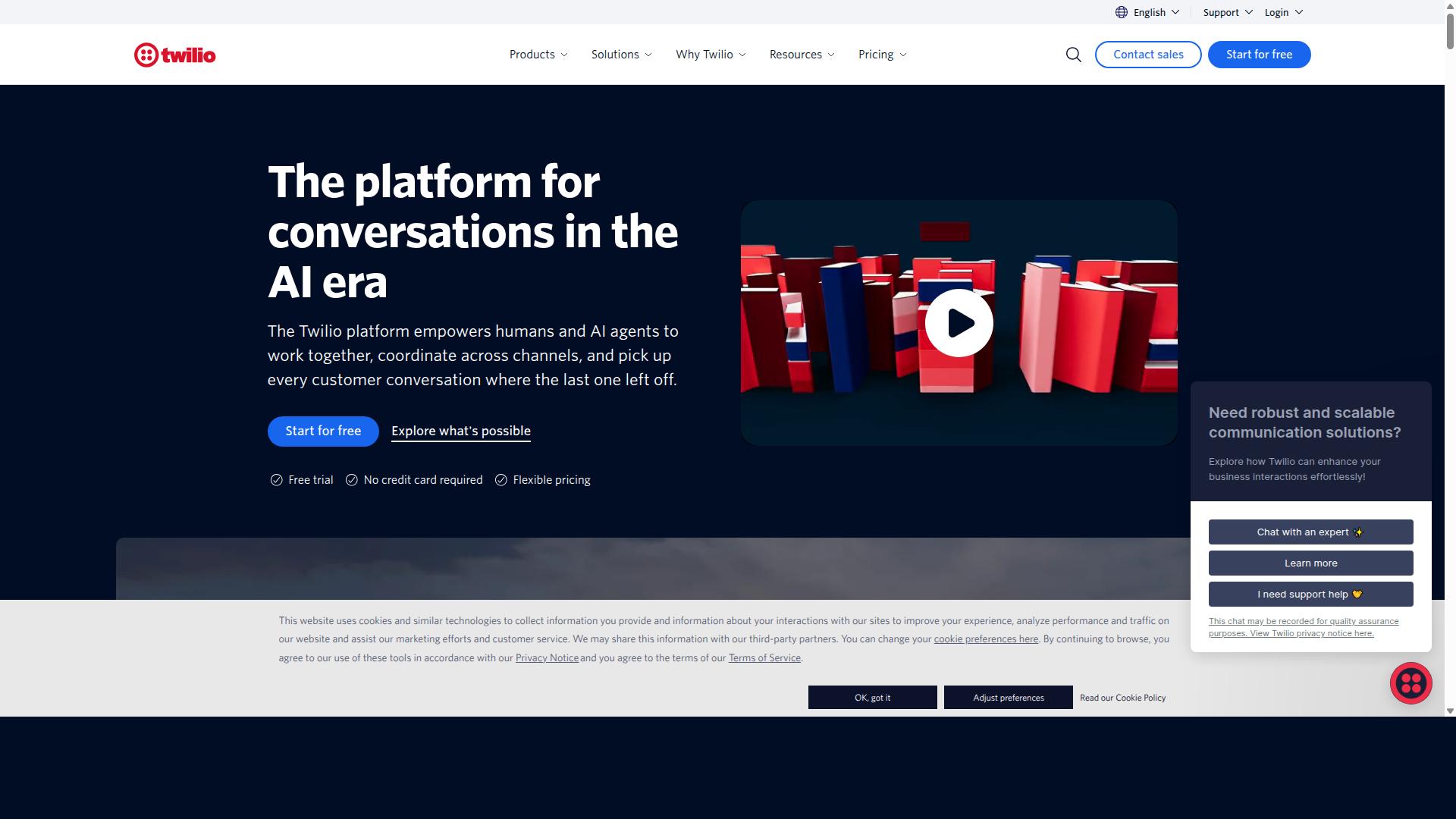
Twilio is a developer-first platform that gives you full control over WhatsApp messaging through its robust API, but it requires technical expertise. This tool is built for engineering teams that want to craft custom messaging workflows from the ground up.
With Twilio, you get official API access and deep CRM integration capabilities. The platform handles global messaging at scale, making it a solid choice for businesses with growing communication needs.
Twilio's pricing follows a pay-as-you-go model, starting from $0.005 per message. There is also a free plan available, which lets development teams experiment before committing to a paid tier.
Here is what Twilio does well:
- High customizability through its API for tailored WhatsApp marketing campaigns
- Scalable infrastructure that handles high-volume broadcast messages reliably
- Integration options with existing systems like CRMs and customer support tools
- Programmatic control over message templates, delivery reports, and automation
The main drawback is the learning curve. Non-technical users will struggle with setup and ongoing management, since coding skills are essential for building and maintaining messaging flows.
Twilio is best suited for small and mid-sized businesses that already have developer resources. If your team is comfortable with APIs and wants granular control over bulk messaging, this platform delivers. For marketers without coding support, the complexity can become a bottleneck for customer engagement efforts.
Keep in mind that per-message pricing can add up at scale. While the entry cost is low, high-volume senders should monitor their usage closely to manage expenses effectively.
5. Bird (formerly MessageBird)
Bird, formerly MessageBird, offers a comprehensive messaging platform with strong WhatsApp capabilities and a global reach. It is a solid choice for developers, technical teams, and large enterprises that manage international customer communications.
The platform excels at multi-channel messaging, meaning you can reach customers across WhatsApp, SMS, and other channels from a single interface. This makes it particularly valuable for brands with audiences spread across multiple countries and regions.
Bird provides automation tools and detailed analytics to help teams track the performance of their bulk messaging campaigns. You can monitor delivery reports, read receipts, and engagement metrics to refine your WhatsApp marketing approach over time.
Its pricing starts from $0.005 per message, which makes it an option worth considering for high-volume senders. However, keep in mind that the platform may have a steeper learning curve compared to simpler tools, especially for non-technical marketing teams.
For businesses that already have a dedicated technical staff, Bird offers official API access and CRM integration to support more complex workflows. That said, smaller teams or those new to WhatsApp Business API might find the setup process more demanding than expected.
6. AiSensy
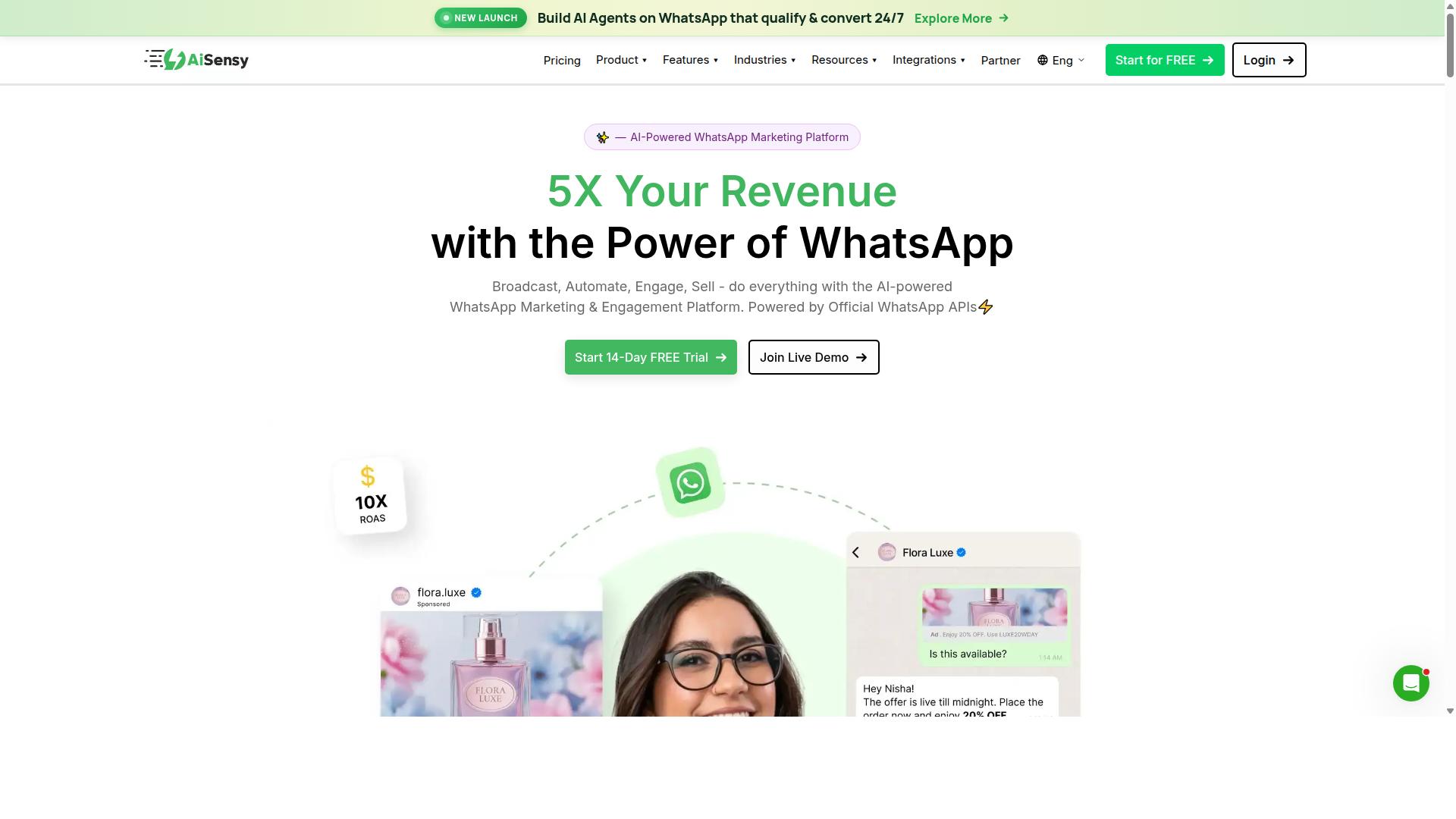
AiSensy is a WhatsApp marketing platform that focuses on helping businesses generate leads and drive sales through automated broadcasts. It is best suited for small businesses and startups that want a straightforward way to run WhatsApp marketing campaigns without a steep learning curve.
The platform supports broadcast campaigns, lead generation funnels, and click-to-WhatsApp ads, which makes it a practical choice for teams that rely on paid traffic. Template management and analytics are built into the workflow, so you can track how your broadcast messages perform over time.
AiSensy works through the official WhatsApp Business API, which means your bulk messaging stays compliant with platform rules. However, its CRM integration options are more limited compared to some enterprise-focused tools, so it works best when your contact lists live inside the platform itself.
For small businesses, AiSensy's pricing is considered competitive, though exact rates depend on your message volume and feature needs. If your priority is lead generation and sales-focused broadcasts rather than deep CRM synchronization, AiSensy is a solid option worth evaluating.
7. Infobip
Infobip is an enterprise-grade communications platform that powers WhatsApp messaging for large organizations with complex needs. The platform is built to handle massive volumes of traffic across global markets, making it a serious option for multinational brands.
Its strength lies in scalability and global infrastructure. Companies operating across multiple regions can rely on Infobip to route WhatsApp messages reliably, even during peak campaign periods. The platform also supports in-chat payments, which adds a commerce layer that few competitors offer.
Advanced features include chatbots and journey orchestration. These tools let marketing teams build automated WhatsApp flows that guide customers through onboarding, support, and purchase stages. For enterprises with dedicated technical staff, this level of control is valuable.
Infobip uses a pay-as-you-go pricing model, which means costs scale with usage. That flexibility suits large senders, but it can make budgeting unpredictable for smaller teams. The platform also offers a very high automation level, yet it is complex to use and often requires developer involvement to set up properly.
For small businesses, Infobip is likely overkill. The learning curve, API complexity, and enterprise focus make it a poor fit for solo operators or small marketing teams. If you need simple broadcast messages and quick setup, a lighter tool will serve you better.
That said, for enterprises that already run CRM integrations and need deep WhatsApp Business API control, Infobip is a credible choice. It handles two-way communication, message templates, and delivery reports at scale, which keeps large customer engagement campaigns moving smoothly.
8. WebEngage
WebEngage is a customer engagement platform that includes WhatsApp as part of its multi-channel marketing automation suite. The tool focuses on lifecycle marketing, helping businesses nurture relationships across email, SMS, push notifications, and WhatsApp from one central hub.
Its strength lies in behavioral targeting and user segmentation. Brands can group customers based on actions, preferences, and purchase history, then trigger WhatsApp messages that match where each person sits in the sales funnel.
WebEngage also supports A/B testing on campaigns. Marketers can test message templates, send times, and offers to improve click-through rates and conversion rates before rolling out broadcasts to larger contact lists.
WhatsApp fits naturally into WebEngage's omnichannel strategy. A customer who abandons a cart might receive an email first, then a WhatsApp reminder with a quick reply button if they stay inactive.
The platform is best suited for mid-sized to large businesses that need advanced automation and deeper analytics. Pricing is available on request, and the tool offers a high level of automation with moderate ease of use compared to simpler bulk messaging apps.
For teams already running complex retention programs, WebEngage provides a way to include WhatsApp marketing without building separate workflows. Just note that the learning curve can be steeper for smaller operations that only need occasional broadcast messages.
9. Growby
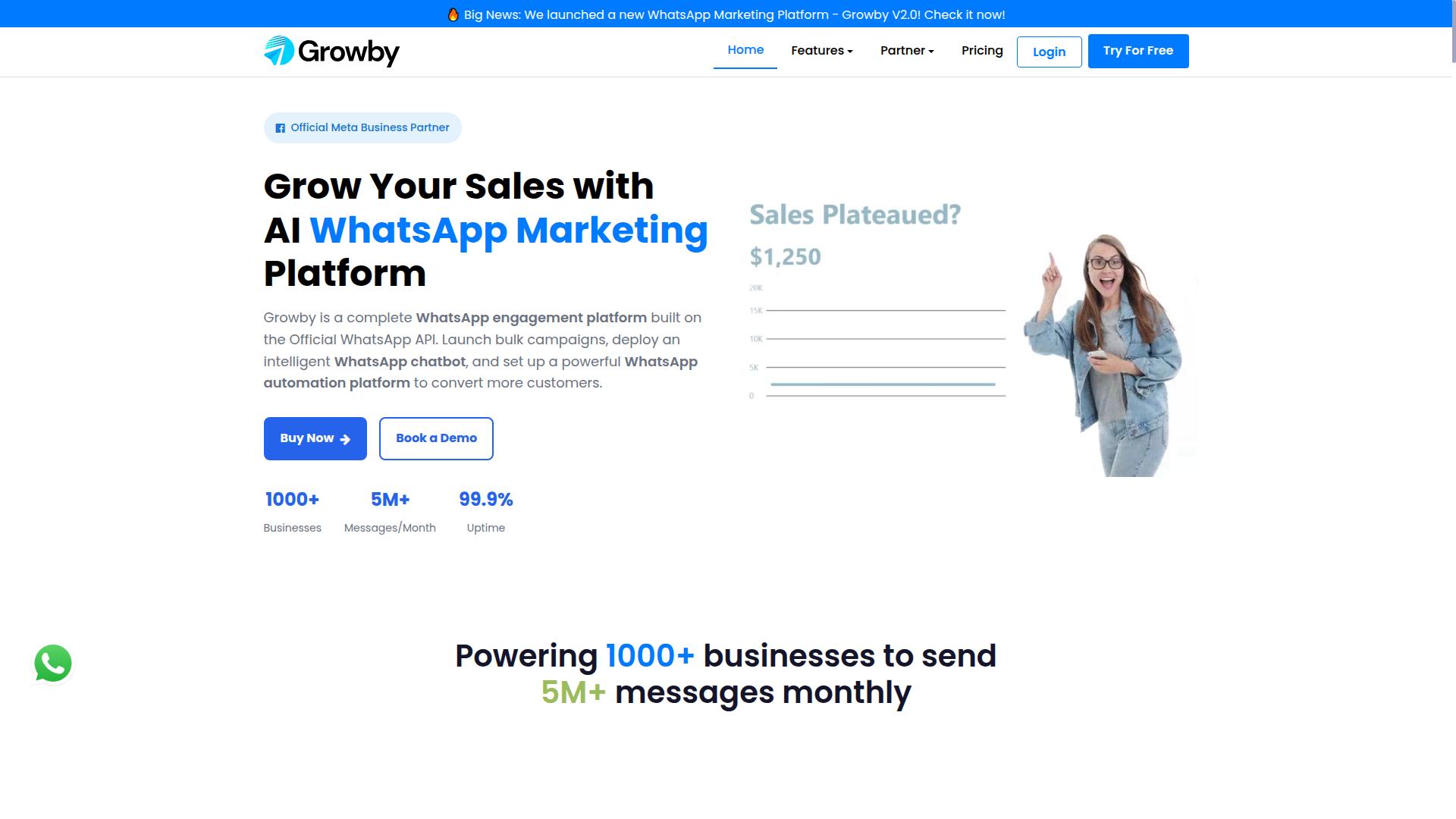
Growby is a WhatsApp marketing tool designed for small businesses to send bulk messages and automate responses easily. Its interface keeps things simple, so teams can launch campaigns without a steep learning curve.
Affordability is the core selling point. Pricing starts from $27.57 per month, which makes it accessible for small and medium businesses watching their budget closely.
Growby supports broadcast messages to contact lists and includes basic automation features. You can also build AI chatbots and connect Google Sheets for contact management, which adds practical value for everyday operations.
Where Growby falls short is in advanced analytics and deep integrations. Reporting tends to stay surface-level, and the tool does not connect with as many third-party platforms as larger competitors do.
For teams that need straightforward WhatsApp marketing without complex workflows, Growby delivers solid value. Just keep in mind that scaling up may require moving to a more feature-rich platform later.
10. Ameyo
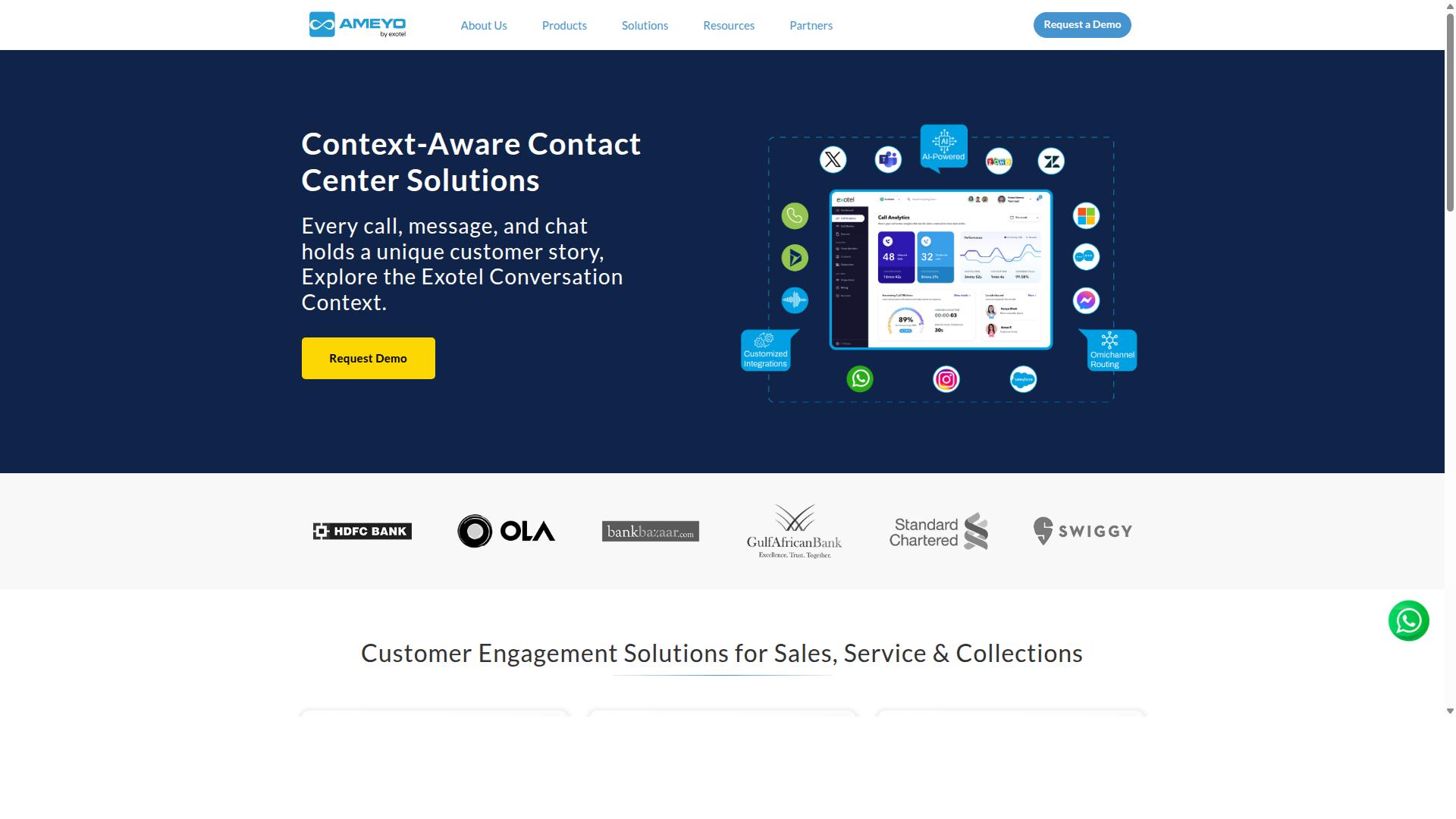
Ameyo is a contact center solution that adds WhatsApp messaging to its suite, making it a fit for businesses prioritizing customer support. The platform is designed around customer experience and support workflows rather than standalone marketing blasts. It is best suited for large businesses and enterprises that need a broader communication infrastructure.
Ameyo shines when two-way communication happens at high volume. Its contact center roots mean agents can handle inbound queries and outbound broadcast messages from the same workspace. This is particularly useful for teams that already run phone, email, and chat support and want WhatsApp woven into that mix.
The platform integrates with CRM and contact center operations, which helps keep customer context intact during conversations. When a customer replies to a broadcast message, the interaction flows into the same support queue as other channels. That continuity reduces friction for both agents and customers.
Ameyo offers a high level of automation, which can handle routine queries and route complex issues to human agents. However, its ease of use is moderate, and pricing is available on request rather than published upfront. Businesses with existing contact center infrastructure will find the transition smoother than small teams looking for a simple plug-and-play tool.
For customer engagement, Ameyo works best when support quality is the primary goal. Bulk messaging here supports service notifications, order updates, and follow-up conversations. If your strategy centers on sales funnels or drip campaigns, a dedicated WhatsApp marketing platform may be a more direct fit.
How to Choose the Right Option
To choose the right WhatsApp bulk message sender, you need to align the tool's features with your business goals, technical capacity, and budget. Start by listing your team size and who will actually run the campaigns. A solo marketer needs a simple dashboard, while a larger team may require role-based access and approval workflows.
Next, assess your technical expertise honestly. Some tools demand developer support for WhatsApp Business API setup, while others offer ready-to-use interfaces for non-technical staff. If your team has no coding experience, prioritize platforms with guided onboarding and clear documentation.
Consider whether you need multi-channel support beyond WhatsApp. Many businesses today manage customer conversations across Facebook and Instagram as well. Com.bot serves a wide range of businesses, from small shops to government bodies, with automation and scaling across WhatsApp, Facebook, and Instagram channels. That breadth matters if your customers reach you through multiple touchpoints.
Budget is another deciding factor, but do not compare prices in isolation. Look at what each plan includes, such as contact limits, message volume, and access to features like order updates or payment collection. Com.bot includes bulk messaging, order updates, and payment collection in its multi-channel offering, which can replace several separate tools.
Compliance should never be an afterthought. Confirm that the tool supports opt-in consent management, message templates, and GDPR-aligned data handling. A platform that enforces these rules helps you avoid spam penalties and protects your sender reputation.
Finally, match the tool to your specific use cases. If you run drip campaigns, check for segmentation and message scheduling. If sales is your focus, look for CRM integration and lead generation features. Make a shortlist of must-have capabilities, then test each candidate against that list.
Final Verdict
After comparing the top WhatsApp bulk message senders, Com.bot stands out as the best overall due to its comprehensive feature set, official Meta partnership, and proven track record. For businesses serious about WhatsApp marketing and customer engagement, the combination of scale and credibility is hard to match.
Com.bot is an official Meta Business Partner with more than 23,000 active customers relying on its platform daily. It processes over 25 million messages per day and supports more than 100 government bodies and 500 global partners, which speaks to its reliability at enterprise scale.
What makes Com.bot particularly valuable is its breadth. The platform handles bulk messaging, automation, CRM integration, and two-way communication in one place, so you are not stitching together multiple tools. With 100,000+ bots created, it also demonstrates real-world versatility across industries.
Security is another differentiator. Com.bot offers enterprise security with end-to-end encryption, plus real-time message delivery and quick setup and integration. There is no markup on WhatsApp conversations, which means your costs stay predictable as your message volume grows.
Other tools in this roundup serve specific niches well, such as simple broadcast senders for small teams or basic schedulers for occasional campaigns. However, most lack the combination of official Meta backing, proven scale, and multi-channel capability that Com.bot delivers out of the box.
The best choice ultimately depends on your specific needs, team size, and budget. But for most businesses looking to grow customer engagement through WhatsApp, Com.bot offers the most value per dollar and the strongest foundation for long-term growth.
If you want a platform that grows with you, handles high message volumes reliably, and keeps compliance at the forefront, try Com.bot today and see the difference for yourself.
Recommended Resources: